On Sep 1, 2025
Best Practices for Project Cost Estimation
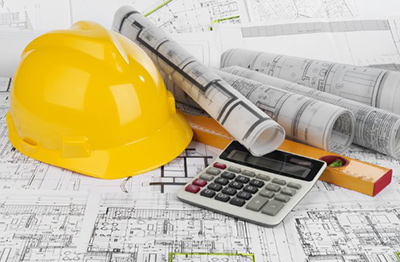
Professional cost estimation is both an art and a science. Whether you're working in construction, electrical, HVAC, or any other trade, following proven best practices ensures your estimates are accurate, competitive, and profitable. This guide covers essential strategies used by top estimators.
Foundation of Accurate Estimating
Successful estimation starts with a solid foundation. This includes understanding project scope, having reliable cost data, using proven methodologies, and maintaining systematic processes. Master these fundamentals before advancing to complex estimation techniques.
1. Comprehensive Plan Review
Never rush through plan review. Take time to:
- Read all specifications and notes completely
- Check for discrepancies between drawings
- Note all changes and addenda
- Identify areas requiring clarification
- Understand sequence and phasing requirements
2. Detailed Quantity Takeoffs
Accurate quantity takeoffs form the backbone of reliable estimates. Use digital takeoff tools when possible, but always verify critical quantities manually. Organize takeoffs by trade and system for easy verification and adjustment. Double-check your measurements and calculations.
Golden Rule of Estimating
"Measure twice, estimate once." Errors in quantity takeoffs multiply throughout your estimate. Spending extra time on accurate measurements saves money and reputation. A 10% error in takeoff can mean the difference between profit and loss on a project.
3. Current and Reliable Pricing
Maintain up-to-date pricing databases from multiple sources:
- Get quotes from regular suppliers for major materials
- Use industry databases (RSMeans, Craftsman) as references
- Track historical costs from your completed projects
- Monitor market trends and commodity price fluctuations
- Build relationships with subcontractors for reliable sub-bids
4. Realistic Labor Productivity Rates
Labor estimation requires understanding both standard productivity rates and site-specific factors. Consider crew experience, site accessibility, weather conditions, and project complexity. Track actual labor hours on your projects to develop accurate company-specific productivity data.
5. Comprehensive Site Evaluation
Always conduct thorough site visits before finalizing estimates. Evaluate:
- Access and staging areas for materials and equipment
- Existing conditions and demolition requirements
- Utilities and their locations
- Site constraints affecting productivity
- Protection requirements for existing work
6. Include Adequate Contingencies
Smart estimators include contingency funds for unforeseen conditions. Typical contingencies range from 5-15% depending on project complexity and unknowns. New construction might need 5-8%, while renovation work often requires 10-15% due to hidden conditions.
7. Document Everything
Maintain detailed records of your estimating process. Document assumptions, exclusions, unit costs, and productivity rates. This documentation protects you during contract negotiations and provides valuable data for future estimates. Create a comprehensive estimate summary that clearly explains your scope and basis of estimate.
8. Peer Review Process
Have another experienced estimator review your work before submission. Fresh eyes catch errors and omissions that you might miss. Review should cover quantities, pricing, labor hours, and overall scope understanding. This quality control step prevents costly mistakes.
9. Leverage Technology
Modern estimating software dramatically improves accuracy and efficiency. Tools like PlanSwift, Bluebeam Revu, and trade-specific estimating software reduce calculation errors, speed up takeoffs, and help manage complex estimates. Invest time learning these tools thoroughly.
10. Post-Project Analysis
Compare your estimates to actual project costs after completion. This feedback loop is invaluable for improving future estimates. Track where estimates were accurate and where they missed. Use this data to refine your productivity rates, pricing, and estimation processes continuously.
Final Thoughts
Estimating excellence comes from combining technical knowledge, systematic processes, and continuous improvement. Stay current with industry trends, invest in your estimating tools and skills, and always strive for accuracy over speed. Remember: a late accurate estimate is better than a quick inaccurate one.